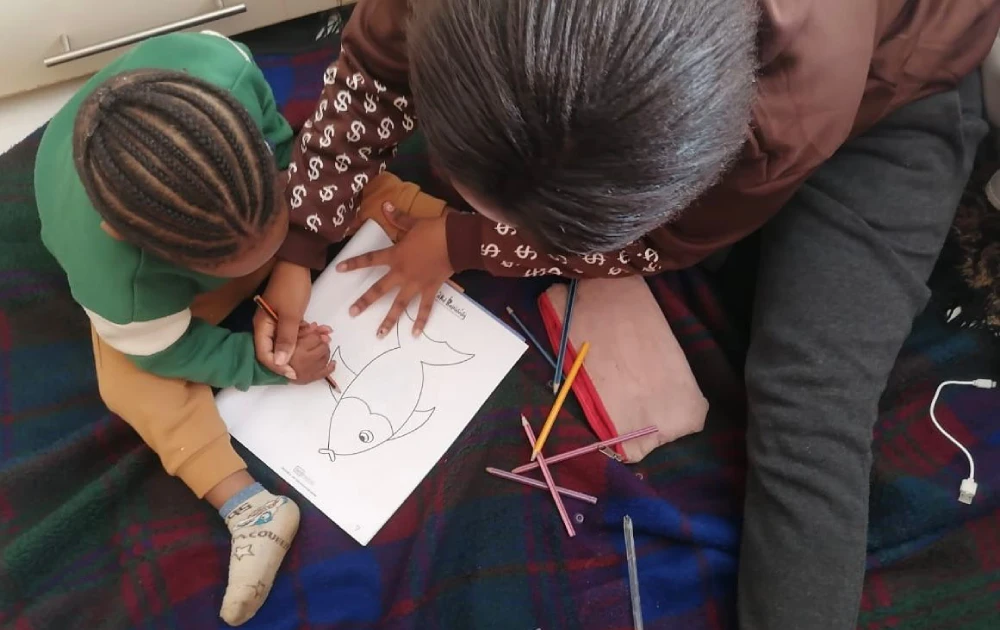
When Lehlogonolo Hlungwane from Modimolle first joined an aRe Bapaleng workshop, she believed her six-year-old son was simply naughty. He never seemed to listen. It was only after participating in our Active Learning Workshops and receiving home visits from our field coordinator that she realised he had a hearing impairment. With the right support and guidance, her son is now thriving in Grade 1.
Stories like Lehlogonolo’s are powerful reminders of a truth we have too often ignored: South Africa’s education crisis does not begin in Grade 1. It begins in the home during the critical early years — and it cannot be solved without parents and caregivers as confident, active partners.
For far too long, we have treated parents as peripheral to education, despite the critical role they play. The quality of care that children receive in their home environments is vital to their well-being and development. This is particularly critical in the earliest years when most of the brain development happens and in South Africa many children aged zero to three are not getting the stimulation they need from their primary caregivers. Many times we hear ECD Practitioners complain that parents are not involved enough. We see the low numbers of ECD attendance, particularly in marginalised contexts where parents and caregivers have to make difficult decisions – food or education? But in a country marked by deep inequality, most parents want to support their children — they simply lack the knowledge, confidence, tools, and ongoing support to do so effectively.
This is the gap aRe Bapaleng was created to fill.
Since 2020, aRe Bapaleng has reached more than 135,000 parents and caregivers across all nine provinces, particularly in marginalised communities where access to quality ECD services is limited. Through feedback and stories shared by participants, we hear repeatedly how the programme has changed behaviour and outcomes:
These are not abstract results. They are the direct consequence of a deliberate ecosystem approach that places parents, caregivers, and young children at the centre.
Rather than running isolated workshops, aRe Bapaleng works with multiple stakeholders — ECD centres, day mothers, community leaders, and key partner organisations — using various channels to ensure consistent, practical support reaches families where they live.
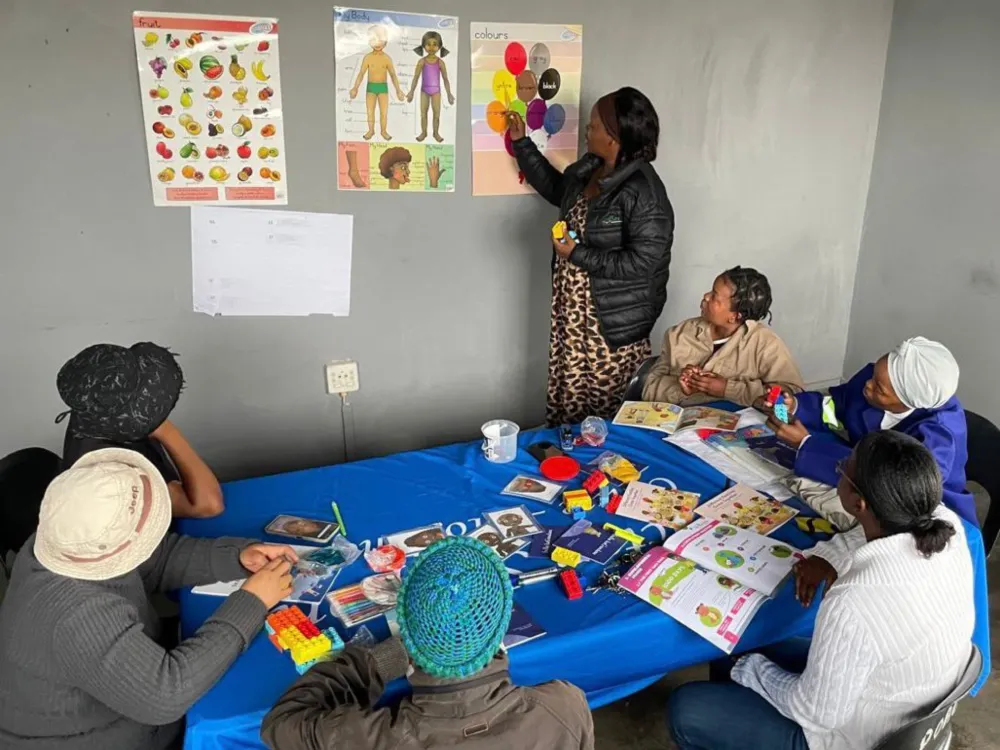
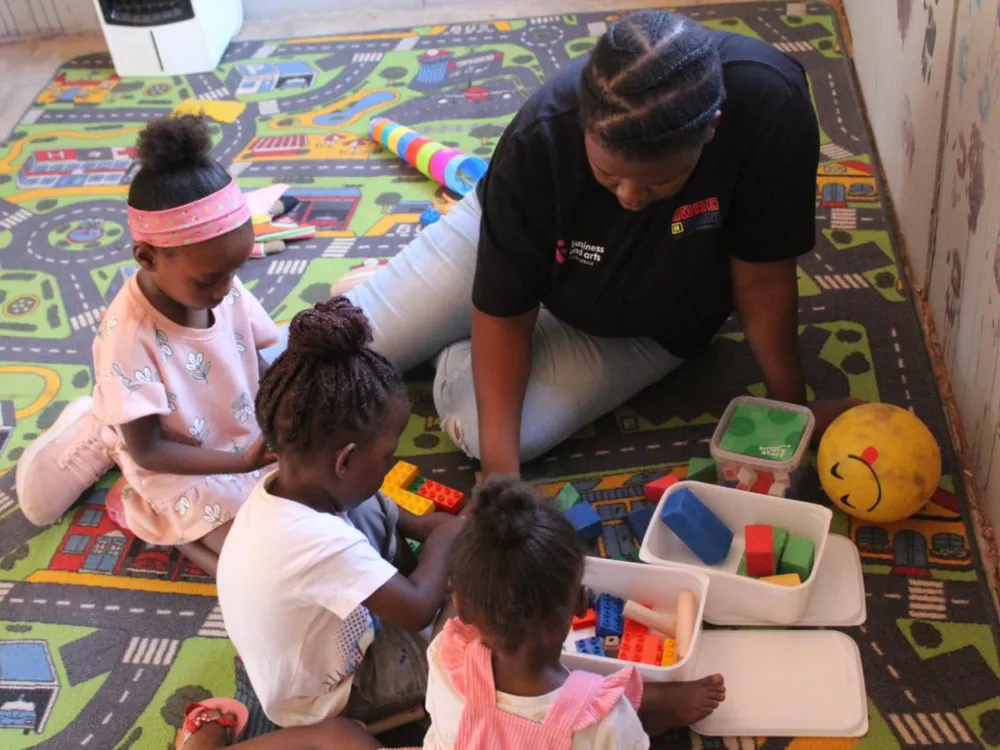
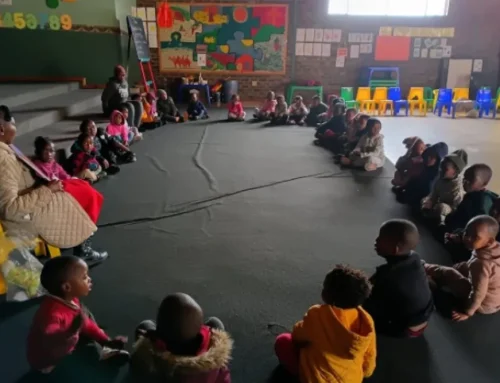
The approach used is grounded in the concepts of learning through play and experiential learning, being holistic as it covers multiple aspects critical to providing an environment of nurturing care – from responsive caregiving through to stimulating early learning, as well as focusing on health, nutrition and ensuring a child feels safe and secure. Through our series of Active Learning Workshops, parents/caregivers are actively involved in the learning process by doing the activities and exercises during the workshops, and then doing them with their children at home or in other settings. Follow up support is provided in the form of Parent Clubs and Home Visits.
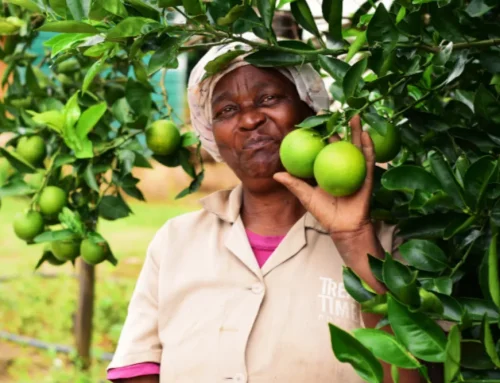
We are now also going to be working with ECD practitioners to facilitate ongoing Parent Clubs, joyful spaces where parents learn through play how to support responsive caregiving, early literacy, nutrition (including household food gardens), psychosocial wellbeing, disability inclusion, the important role of male caregivers and climate-smart practices.
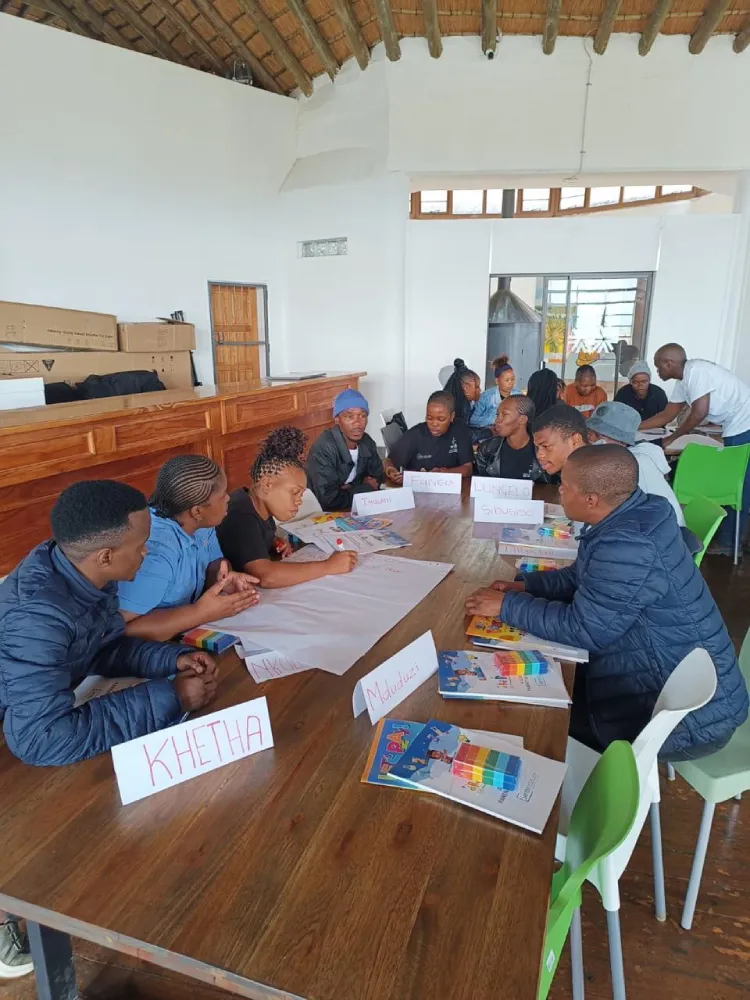
At the same time, we mobilise unemployed youth as ECD Champions through public employment programmes such as the National Youth Service. These young people receive training, stipends, and real-world experience raising ECD awareness, supporting Parent Clubs, and conducting home visits in their own communities. This creates a powerful dual benefit: it builds grassroots ECD capacity while giving youth meaningful work, skills, and a sense of civic duty.
Most significantly, the programme simultaneously addresses the urgent socio-economic stresses families face. By combining parenting support with employability training and income (via stipends), we reduce immediate household pressures while strengthening caregiving. The result is not only improved individual outcomes but also greater social cohesion — families, practitioners, youth, and partner organisations come together, amplifying impact at both personal and community levels.
The newly released book Parental and Caregiver Involvement in South African Education, which features the aRe Bapaleng ecosystem approach, arrives at a critical moment for our country. It challenges us to move beyond a culture of blame and towards genuine partnership. The evidence is clear: when we invest in parents and caregivers, particularly in the early years, we do more than improve learning outcomes. We strengthen families, create pathways for youth employment, and begin to rebuild the social fabric of our communities.
The question is no longer whether parental involvement matters. The question is whether we are willing to invest in practical, scalable models that treat parents as partners, not problems.
The children of South Africa — and their parents — are waiting for our answer.