Building on the strong foundation established during the initial phases of the SEF Komati – Just Energy Transition (JET) project, implementation has continued to deepen its reach and impact across Ward 4 of the Steve Tshwete Local Municipality (STLM). The project currently supports 300 active participants, organised into thematic areas and in groups of 25 each to ensure effective coordination, skills transfer, and sustained community engagement. These participants remain central to the project’s integrated approach to strengthening local resilience in response to the economic transition.
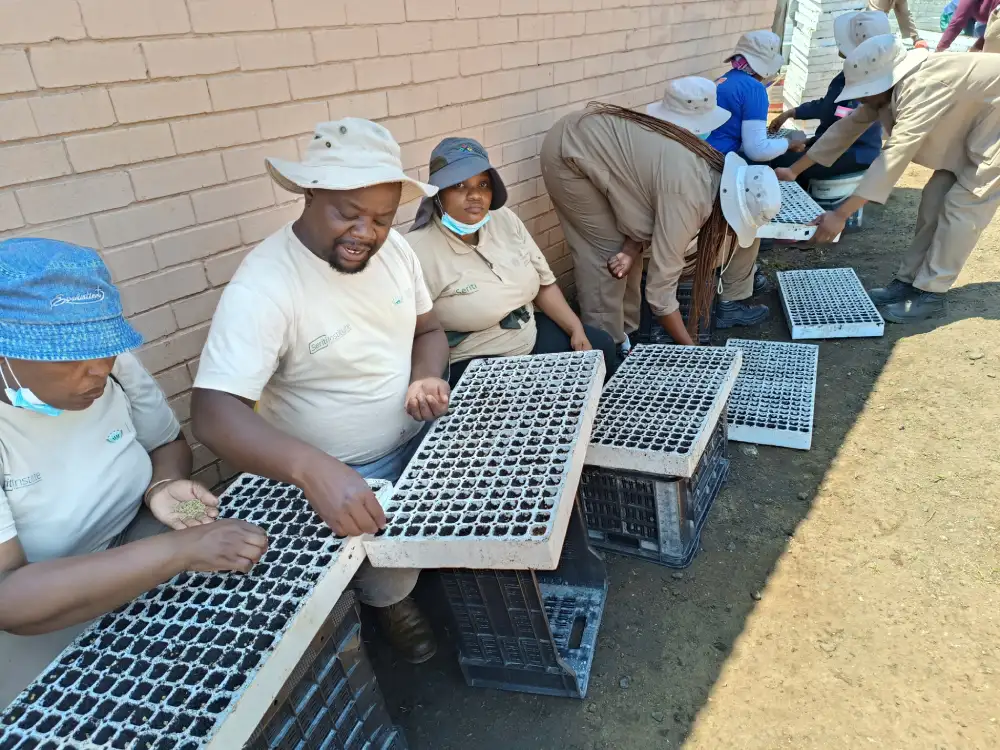
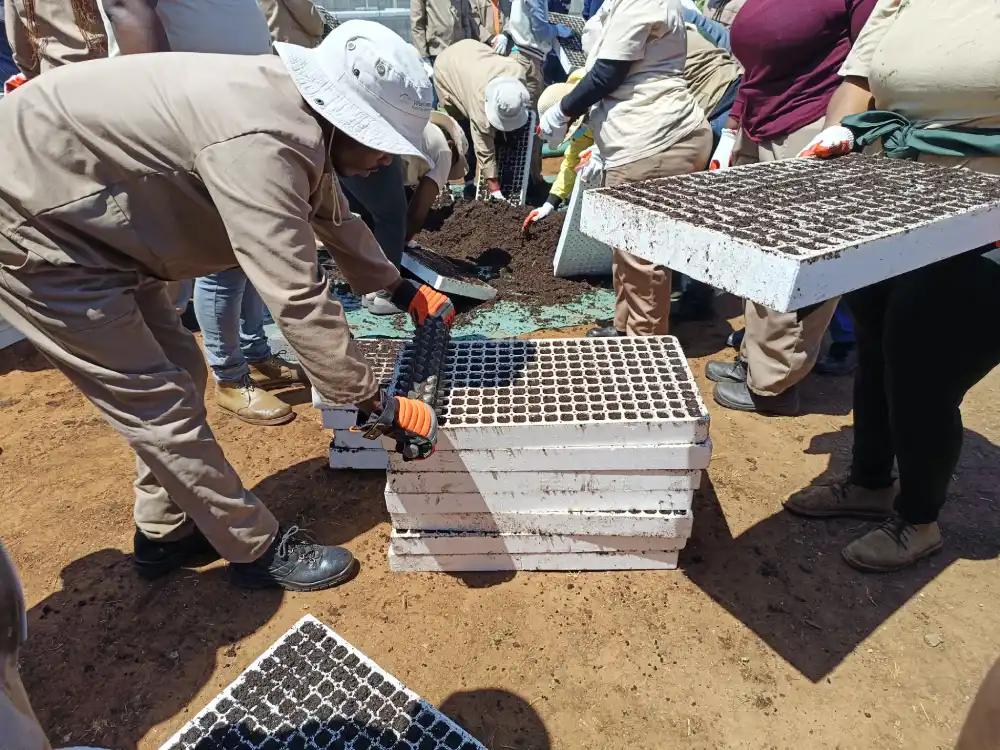
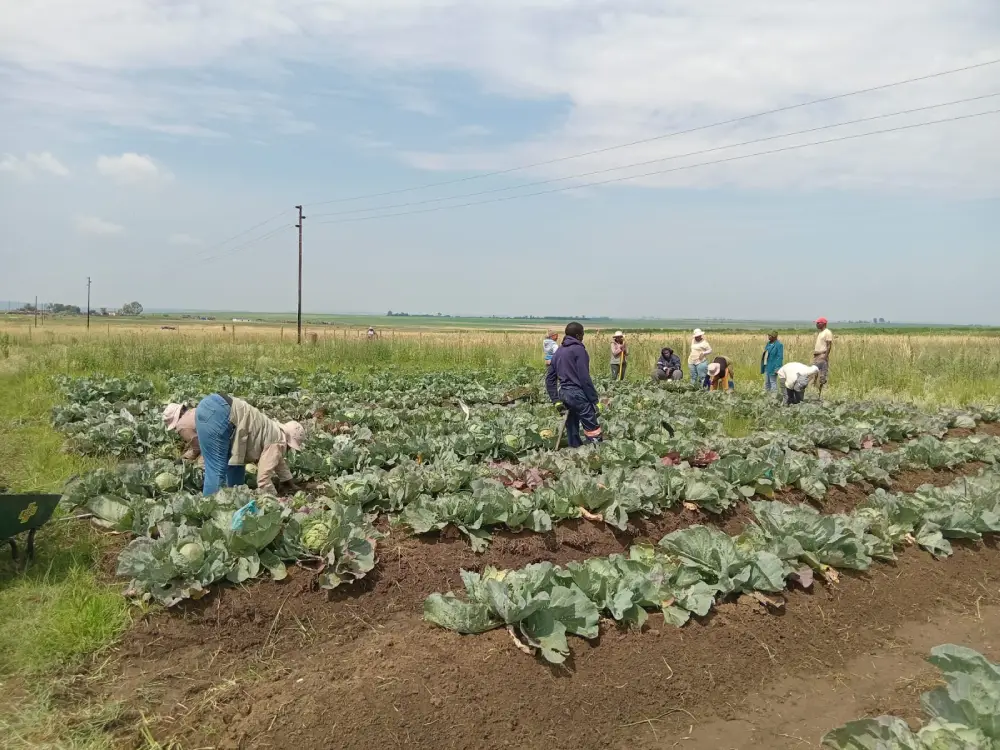
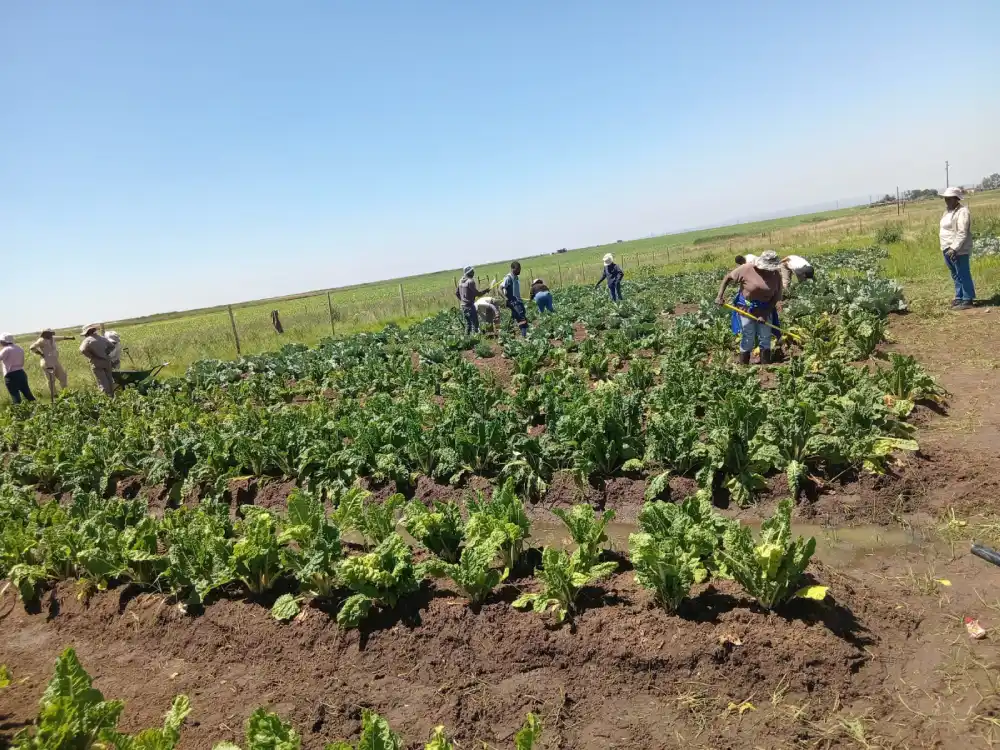
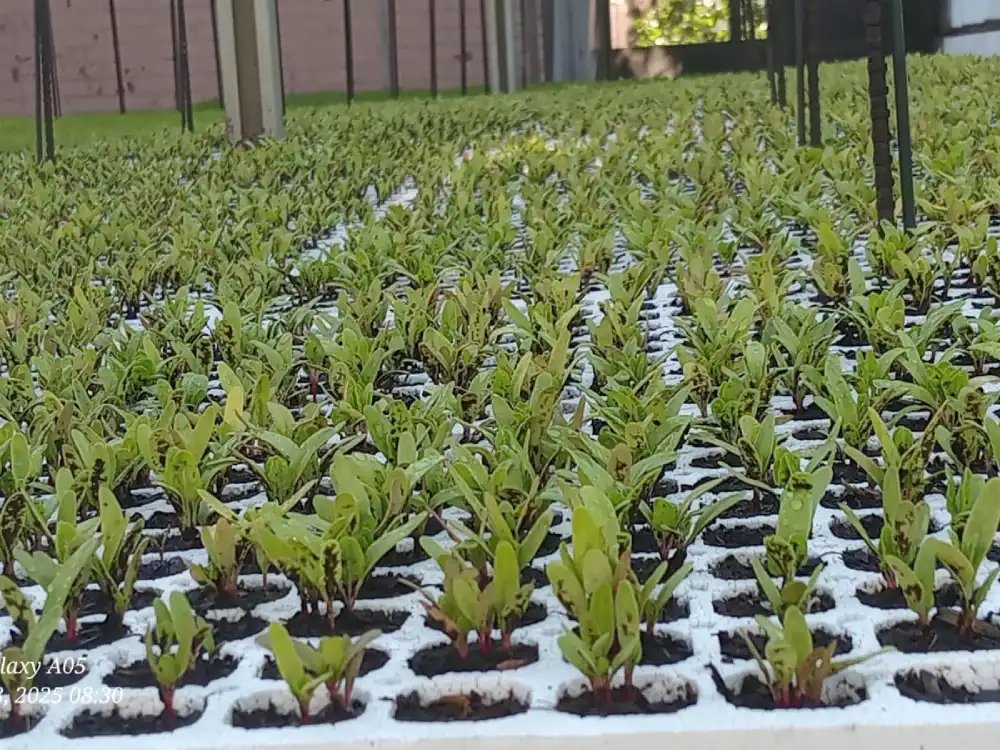
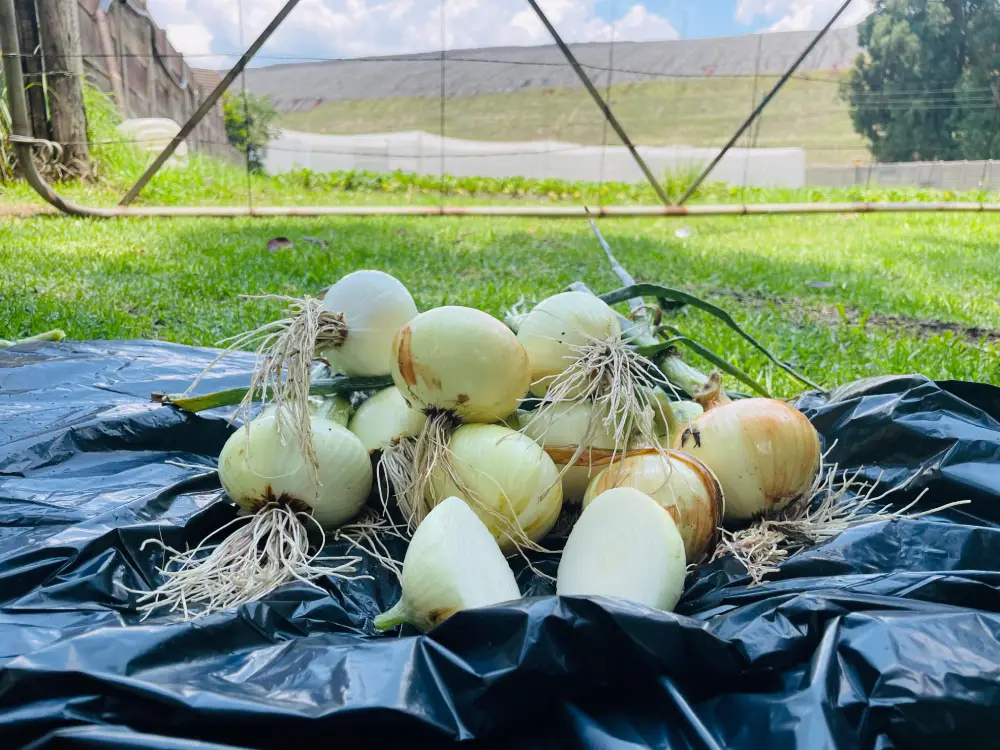
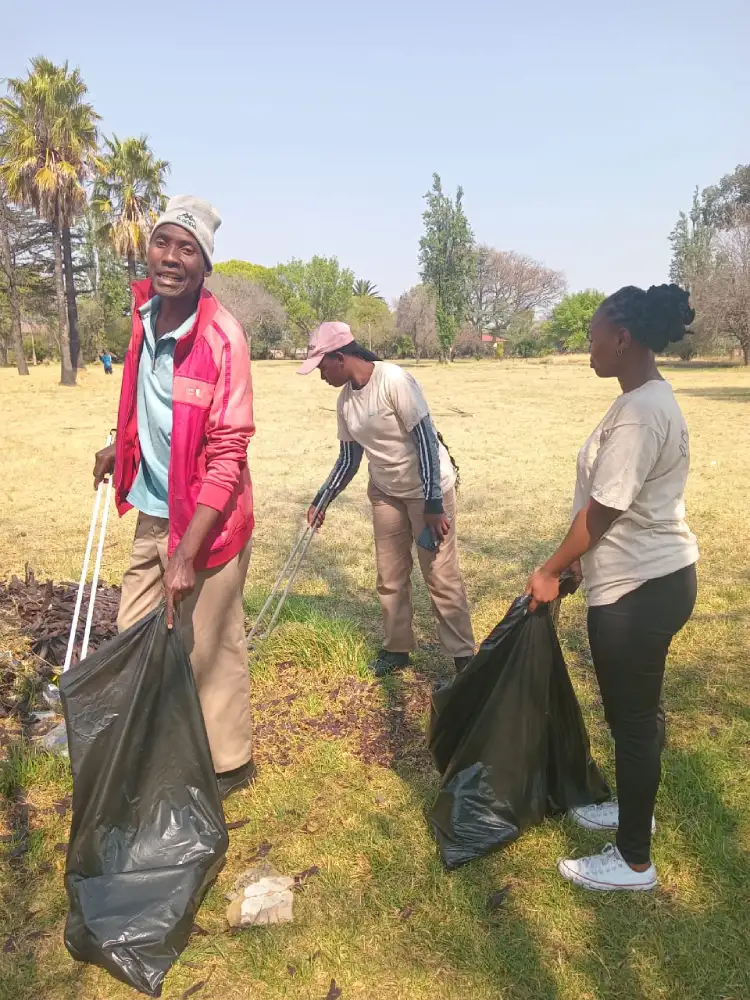
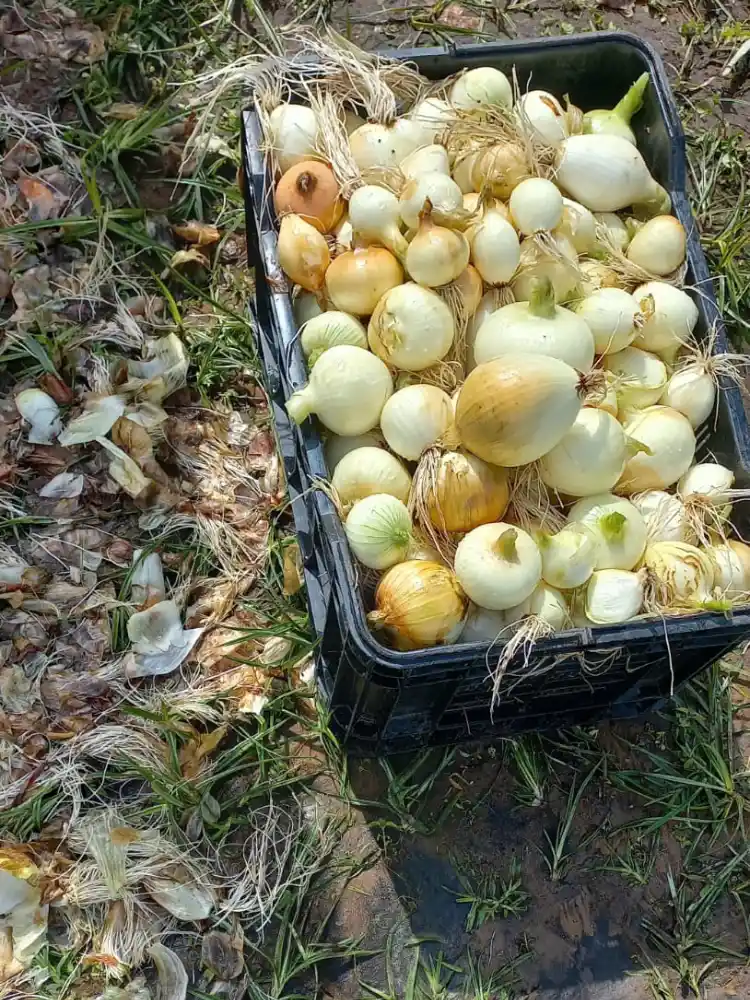
The project is structured around a set of core thematic areas designed to address immediate social needs while building longer-term community capacity. One of the project’s key focus areas is food security & nutrition, environmental sustainability, recognising the link between livelihoods, caregiver networks, and community healthcare. Environmental awareness initiatives have been implemented across the community and in local schools to promote responsible waste management, reaching 235 individuals and supported by the installation of recycling bins. In parallel, organic waste collection for compost production is underway, with dedicated space allocated for compost making and packaging to support ongoing greening and agricultural efforts.
Health care services remain a core component of the project, focused on strengthening preventative care and access to basic health support. More than 500 health screenings have been conducted, contributing to early detection and improved community well-being. Ongoing collaboration with local mobile health services, supported by professional nursing expertise, continues to enhance the reach and effectiveness of these interventions.
Family and household well-being is supported through a parenting programme that strengthens caregiver capacity, child development, and nutrition awareness. Through community-based learning and outreach led by the aRe Bapaleng team, hundreds of households have been reached and 75 caregivers directly engaged. The programme has also identified a potential after-care facility as a future exit pathway, reflecting growing participant ownership and long-term community planning.
Digital inclusion remains a key enabler for skills development and employability within the project. This thematic area focuses on building digital literacy and facilitating access to online learning opportunities. Participants are enrolled in courses through the Afrika Tikkun platform, which also provides technical support and progress monitoring. To date, more than 207 individuals have enrolled in online courses, with digital champions tracking participation and completion. Thirteen participants have already obtained certificates across various disciplines, demonstrating early progress in expanding digital skills within the community.
Across all thematic areas, the SEF Komati project continues to focus on sustainability and the development of viable exit pathways for its 300 participants. As implementation moves into its final phase, emphasis is being placed on consolidating progress and formalising structures that will enable continued impact beyond the project lifecycle. A key priority during this period is the establishment of formally registered cooperatives, which will serve as vehicles for long-term economic participation and community ownership.
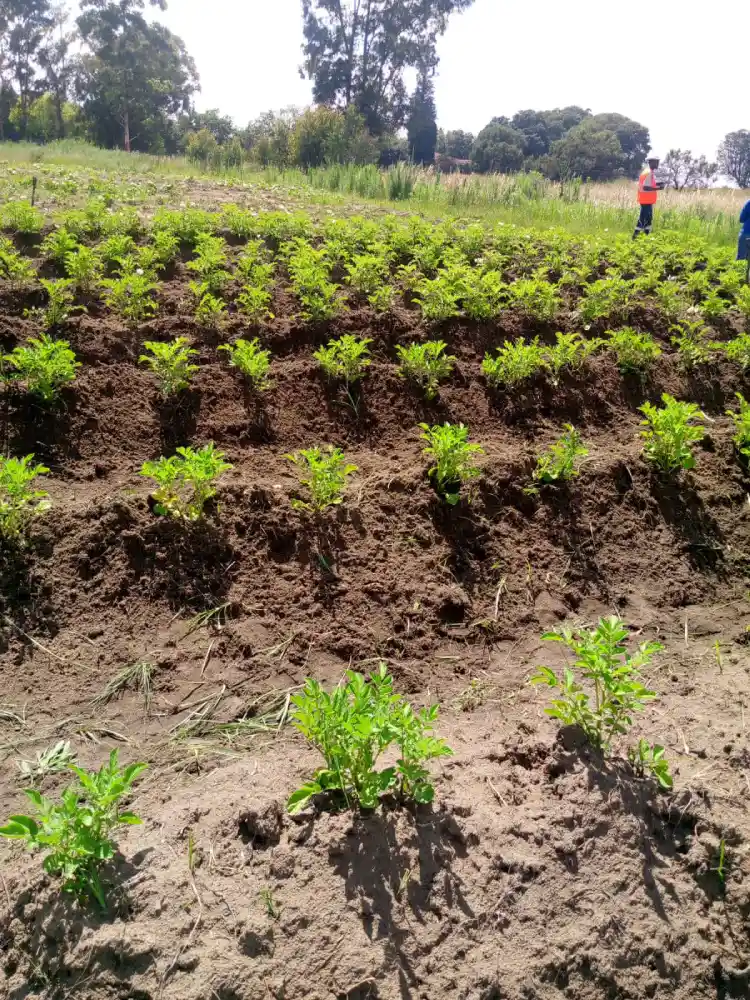
To support this transition, participants are being prepared through cooperative-focused training that will guide them towards official registration processes, particularly within farming and compost-making activities. These cooperatives will provide an appropriate mechanism for the transfer of tools, materials, and resources developed through the project, ensuring responsible stewardship and sustainability. Through this final phase, the project is positioning participants to operate independently, maintain collective assets, and continue contributing to local resilience and livelihoods in Komati.