The Agroecological Farming Project is an initiative implemented by Seriti Institute funded by DGMT. The project is designed to strengthen community-led food systems by establishing and supporting Multi-Functional Agri nodes (MFANs), implemented in partnership with Community-Based Organisations (CBOs) across KwaZulu-Natal, North West, and Limpopo. DGMT continues to support Seriti in scaling and deepening the MFAN model, strengthening both its reach and its implementation depth across participating communities.

As part of this next phase of growth, DGMT expanded its investment to support the replication of the Agri node in Modimolle, with the Municipality of Modimolle allocating 10 hectares.

This strategic investment will strengthen agroecological production, farmer training, aggregation, enterprise development, and community food security initiatives, while creating additional opportunities for local participation and economic development in the Modimolle-Mookgophong local municipality region.

At its core, the project seeks to build resilient, locally owned agricultural systems that combine production, training, aggregation, and basic agro-processing. The MFAN model serves as an entry point for strengthening food security, improving livelihoods, and promoting sustainable agroecological farming practices in rural and peri-urban communities.

Approach

The project integrates three mutually reinforcing components that support the long-term sustainability of community-led food systems:

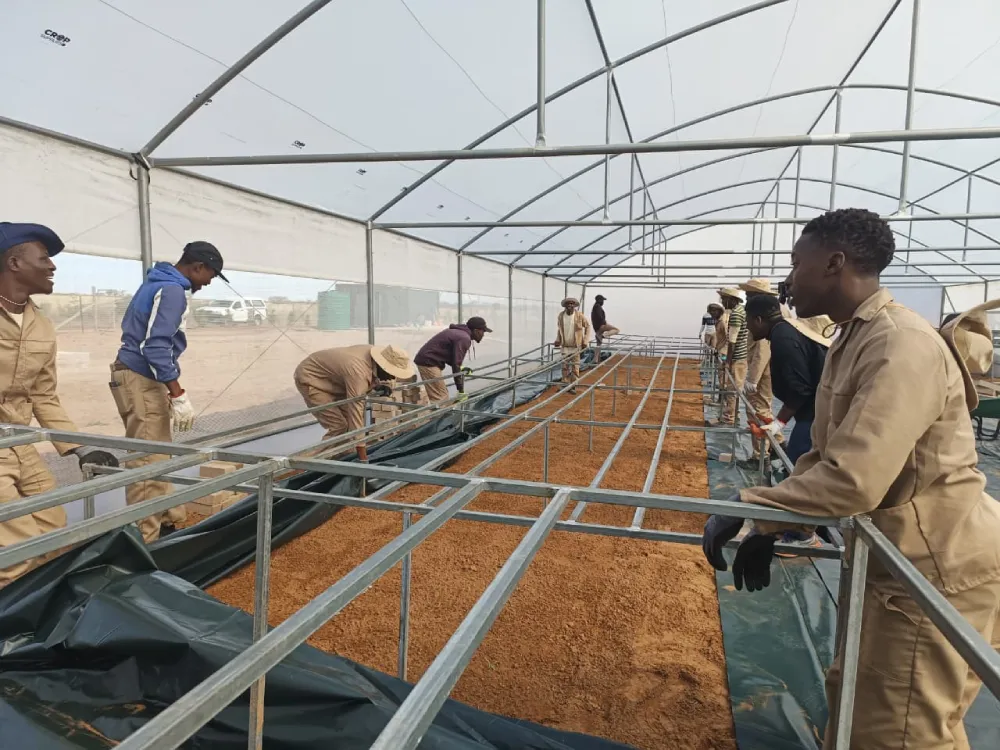
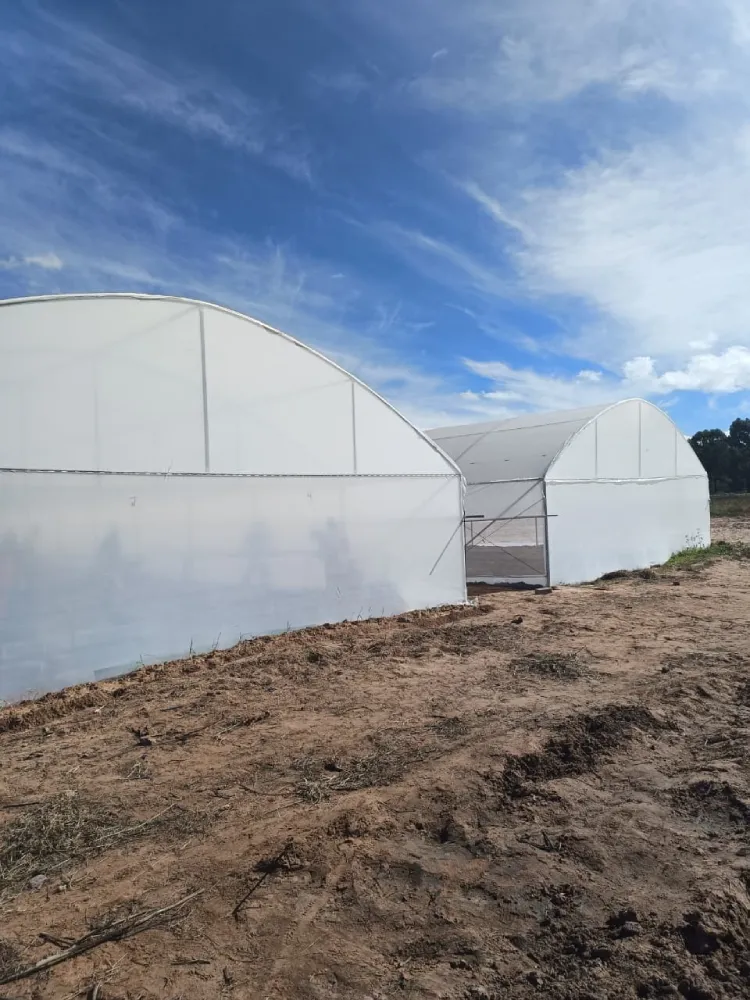
The project invests in the establishment and upgrading of agrinode infrastructure, including irrigation systems, storage facilities, fencing, solar installations, seedling production areas, and basic processing equipment. These investments create a functional foundation for production, aggregation, and enterprise development at community level. The newly allocated 10 hectares of municipal land provides an important opportunity to further expand production and demonstration activities.

Farmers participate in structured practical training programmes covering soil health, composting, crop production, water conservation, pest management, seedling production, agroecology, and climate-smart agricultural practices. The project equips farmers with the knowledge and skills needed to improve productivity, strengthen climate resilience, and adopt sustainable farming methods.

The project works closely with community-based organisations that host and manage the agrinodes. Support focuses on governance, operational systems, programme management, sustainability planning, and community accountability. These organisations play a critical role in ensuring that the MFAN model remains locally owned, community-driven, and responsive to local needs.

Farmers and community organisations are supported to strengthen market linkages, participate in local agricultural value chains, and develop sustainable income-generating opportunities. The project promotes cooperative development, business skills, aggregation systems, and improved access to local and institutional markets.

The MFAN initiative has successfully established and strengthened four operational agrinodes located in Deelpan, Inchanga, Standerton, and Modimolle, supporting hundreds of small-scale producers and community members.

Key Achievements Include

  • More than 300 farmers trained in agroecological and climate-smart farming practices.
  • 100% of trained farmers adopting at least one agroecological farming practice.

  • More than 60% of participating farmers are women, promoting greater gender inclusion within the agricultural sector.

  • Significant investment in agrinode infrastructure, including solar systems, irrigation equipment, storage facilities, and processing infrastructure.

  • Market linkages established across agrinode sites, connecting farmers to local retailers, informal markets, private buyers, and institutional markets.

  • Community-based organisations strengthened through mentorship, governance support, and organisational development.

  • Improved household food security and increased participation in local food production systems.

  • The allocation of 10 hectares of municipal land creates opportunities for expanded production, farmer training, enterprise development, and demonstration activities.

  • Approximately R1.3 million in grant funding has been disbursed to support CBO implementation and farmer development activities.

Lessons and Strategic Direction

The project continues to demonstrate that community-led approaches are essential for building sustainable food systems. Locally embedded organisations play a critical role in promoting ownership, strengthening participation, and ensuring that interventions respond to local priorities.

Implementation has also highlighted the importance of balancing infrastructure investment with human capacity development, strengthening market systems, and providing ongoing support to community organisations. While growing recognition of agroecology presents significant opportunities for sustainable development, increased investment, stronger partnerships, and improved market access remain critical for supporting long-term success.

With continued support from DG Murray Trust, Seriti Institute is entering the next phase of the MFAN journey, strengthening existing agrinodes, expanding production capacity, deepening farmer support systems, and leveraging the newly secured municipal land to increase community impact. Through this ongoing work, the organisation continues to demonstrate how agroecology can strengthen food systems, build community resilience, and create sustainable livelihood opportunities while contributing to a more climate-resilient future.